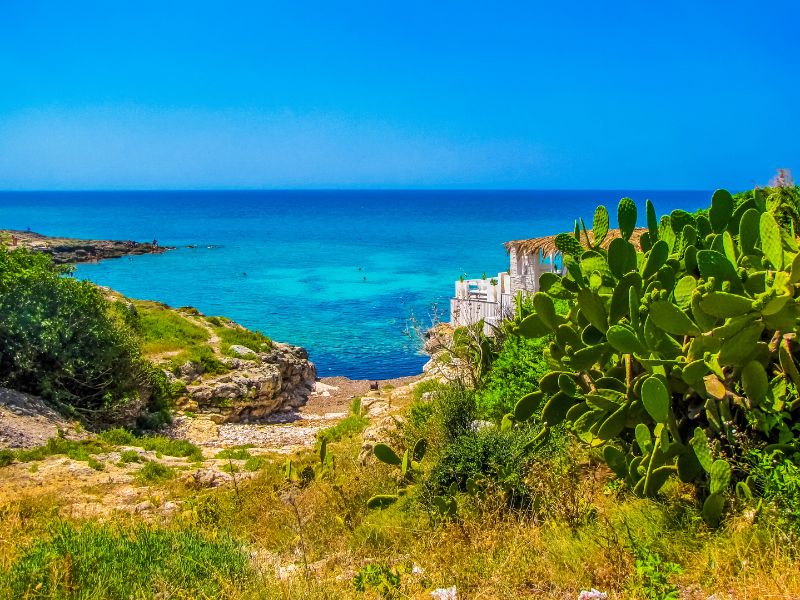
Summer in Salento is often reduced to postcard images, turquoise waters, white beaches, and endless sunshine. But this southern edge of Puglia is far more layered than a tourist brochure suggests. Its identity is shaped by extremes: intense heat, relentless wind, ancient stone, and a rural culture that has survived invasions, droughts, and modern tourism.
To experience Salento in summer is to step into a place where tradition, agriculture, and Mediterranean light blend into a landscape that feels both ancient and alive.
Here, summer sharpenes everything: the flavor of the wine, the whiteness of the towns, the rhythm of the music, and the human connection to land and sea.
Salento is one of the most searched Italian destinations in summer, known for its white towns, crystal-clear waters, and traditional festivals. Yet beyond the coastline lies a deeper identity made of vineyards, olive groves, rural architecture, and centuries-old cultural heritage.
For travelers searching for authentic experiences, local wine traditions, and immersive contact with nature, Salento offers a unique combination of landscape, history, and flavor. This guide explores what makes Salento unforgettable, and reveals how you can create a lasting connection with this land through vine adoption.
Sun, wind, and sea: the forces that shape the land
Salento stretches between the Adriatic and Ionian Seas, a peninsula where summer creates intense contrasts.
- The Tramontana clears the air and brightens the coastline.
- The Scirocco brings heat and softness to the landscape.
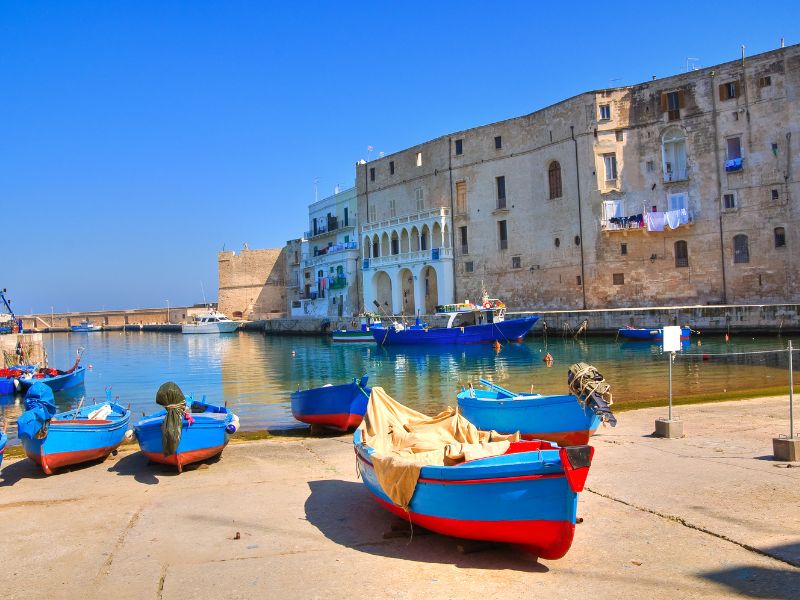
- The sea influences daily life, fishing traditions, and even the flavor of local wines.
For travelers, these forces determine not only the best beaches to visit, but also the signature aromas and character of Salento’s vineyards. Understanding these natural elements is key to appreciating Salento’s agricultural soul.
The vine and the olive tree: twin pillars of Salento’s identity
Searches for “Salento wine” and “Puglia olive oil” increase every summer, and for good reason. Two crops define the region:
Vines
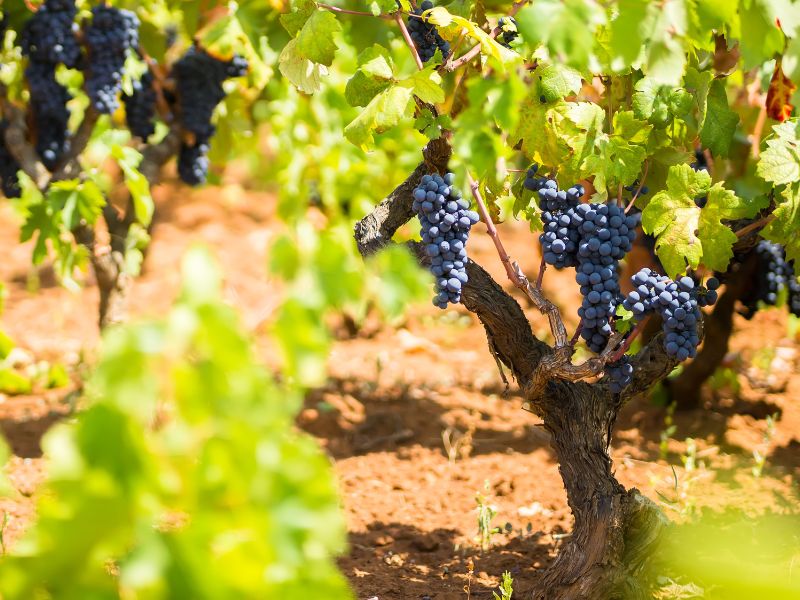
Primitivo, Negroamaro, and Susumaniello thrive in Salento’s arid soil and intense sunlight. Summer brings concentration, color, and aromatics to the grapes, resulting in wines known for their richness and expressiveness.
Olive Trees
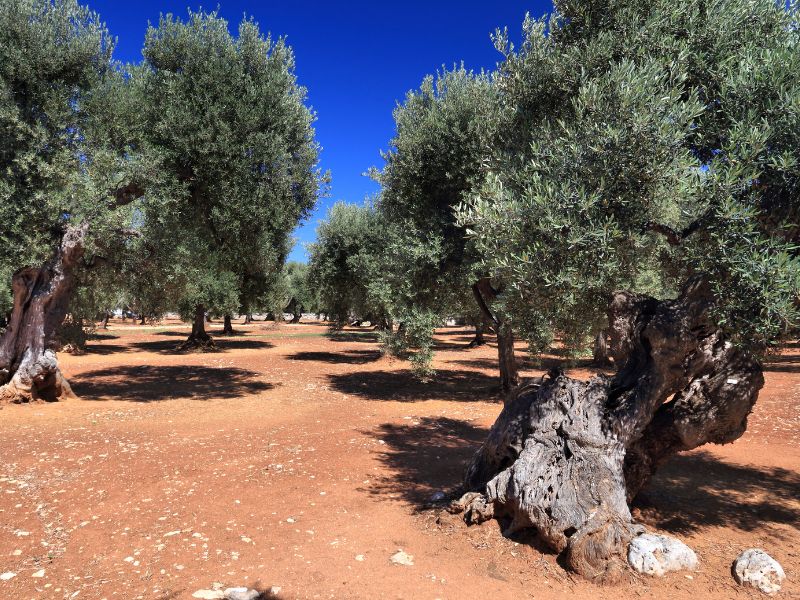
Centuries-old olive trees, some sculpted by time into monumental forms, create one of Italy’s most iconic landscapes. Their extra virgin olive oil is a true culinary highlight, intensely green and peppery.
Together, vines and olive trees shape the identity of Salento far more deeply than beaches or nightlife.
Local varieties: Primitivo, Negroamaro, Susumaniello and their summer expression
Summer intensifies the character of Salento’s grapes.
- Primitivo develops generous ripeness, giving wines full of blackberry, plum, and warm spice.
- Negroamaro, darker and more brooding, balances richness with herbal notes shaped by proximity to the sea.
- Susumaniello, once nearly forgotten, delivers juicy, vibrant wines that capture the region’s youthful energy.
Visiting vineyards in summer reveals how these grapes respond to drought, heat, and coastal winds, showing why Salento wines stand out for their boldness and authenticity.
Flavors of Salento: traditional dishest that define Puglian cuisine
Pugliese cuisine is one of the strongest cultural anchors of Salento, shaped by simplicity, rural tradition, and bold flavors intensified by the summer heat.
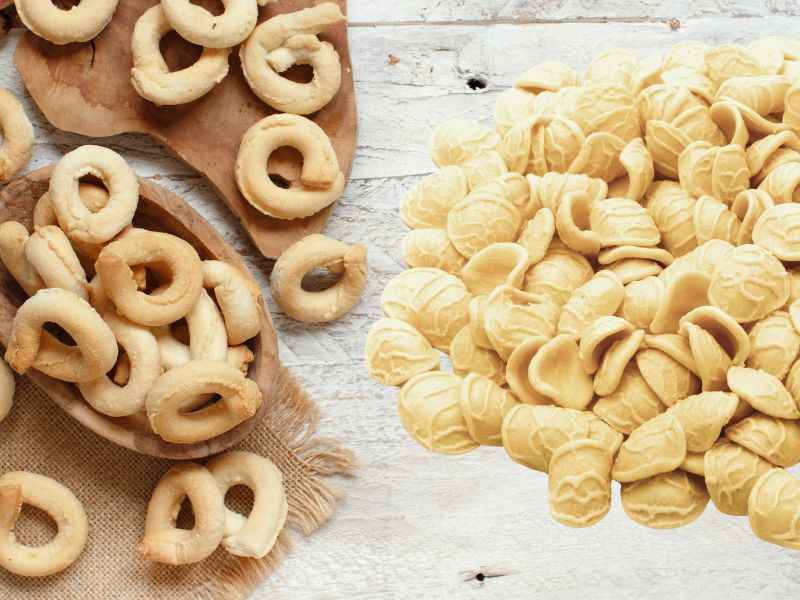
Staples like orecchiette, often handmade and paired with cime di rapa or rich tomato sauces, represent the region’s mastery of minimal ingredients with maximum character.
Taralli, crisp ring-shaped snacks flavored with fennel seeds, black pepper, or olive oil, are a constant presence on local tables and in masserie, bridging the gap between snack and tradition.
Summer also brings dishes like pasta all’assassina, a fiery specialty from Bari where spaghetti is “burnt” directly in a pan with tomato sauce until it becomes crispy, smoky, and irresistibly bold, an expression of the region’s love for intense, straightforward flavors.
Beyond these, Salento’s kitchens offer fave e cicoria (fava bean purée with wild chicory), rustico leccese, friselle soaked in seawater and topped with tomatoes, purpu alla pignata (octopus stew), and an abundance of grilled seafood.
Together, these dishes tell the story of a land where peasant tradition, coastal ingredients, and the creativity of home cooks have shaped one of Italy’s most distinctive culinary identities.
Masserie: rural architecture and cultural memory
Scattered across the countryside are the Masseria, fortified farmhouses that once protected farmers from raids and preserved agricultural tools, animals, and harvests.
Today, many masserie have been restored, becoming places where visitors can sleep surrounded by vineyards, eat meals prepared from ancient recipes, and understand the deep bond between Salento’s people and their land.
Stone, lime, and shade are constant companions. In summer, staying in a masseria feels like stepping into a living archive where rural culture is preserved with elegance and care.
The traditional Masseria can offer:
- local cuisine based on traditional recipes
- direct contact with rural culture
- immersion into the rhythms of agricultural life
A summer stay in a masseria connects visitors to the land far beyond the classic beach experience.
The white towns: light, stone, and timeless beauty
Salento’s towns glow under the summer sun.
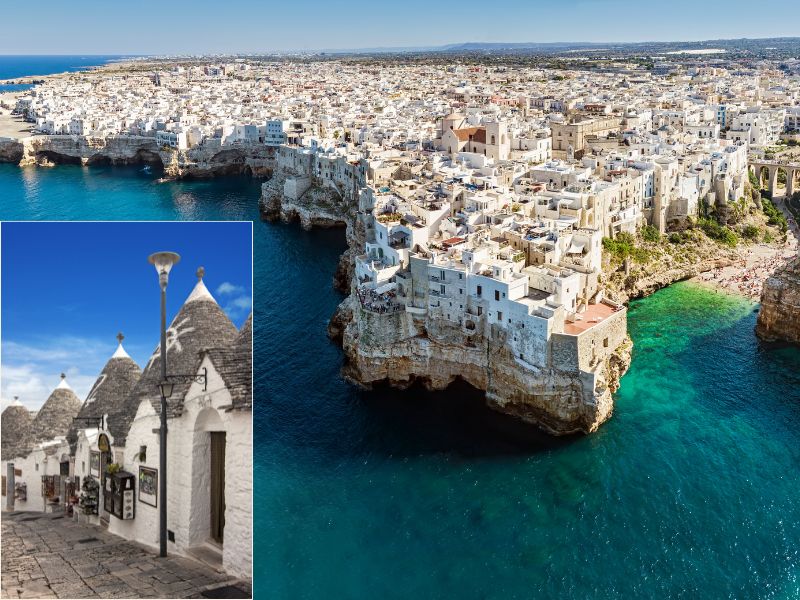
- Ostuni, the “White City”, reflects light with dazzling intensity.
- Alberobello enchants with its conical trulli, a UNESCO gem.
- Locorotondo and Cisternino rise with circular or layered stone structures overlooking valleys of vineyards and olive groves.
- Specchia and Presicce-Acquarica, among Italy’s most beautiful villages, offer a slower, quieter charm.
Their whitewashed walls do more than reflect heat, they embody a Mediterranean aesthetic tied to practicality, tradition, and beauty born from simplicity.
Taranta: a dance between myth and anthropology
The Taranta is often presented as a lively summer attraction, but its origins are far more profound.
Rooted in ancient rituals of healing, where dance and music were believed to cure the bite of the tarantula, the Taranta expresses the tension and release of rural life.
Today, the Notte della Taranta (Night of the Taranta) in Melpignano attracts thousands, merging anthropology and contemporary music. Experiencing it in summer means witnessing how ancient traditions adapt without losing their emotional core.
History written in stone: from messapi to baroque splendor
Salento’s history is not a linear story but a layered one:
- Messapian walls still rise in the countryside.
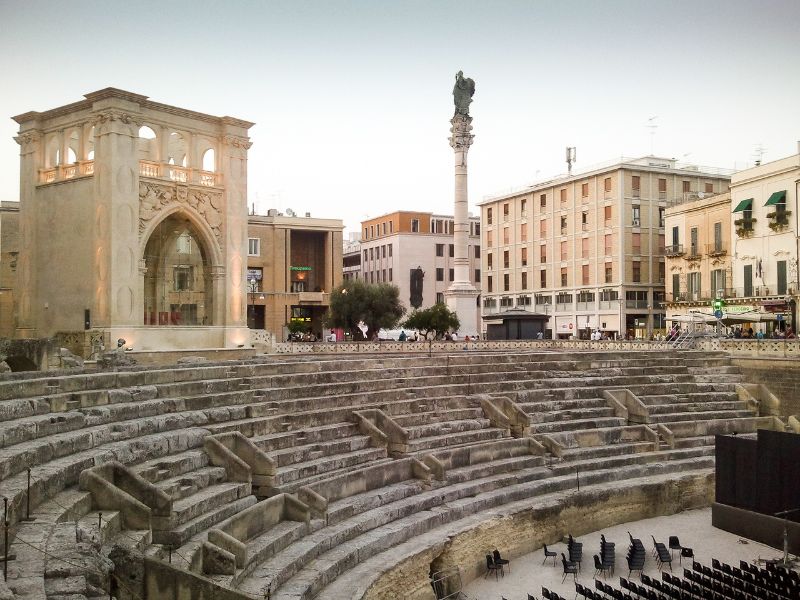
- Greek and Roman footprints remain in ruins, roads, and myths.
- Chiese rupestri (rock churches) reveal spiritual life carved into stone.
- The Baroque of Lecce, with its ornate facades and honey-colored limestone, is transformed by summer light, appearing almost sculpted by the sun itself.
Walking these towns at dusk, when the heat softens, feels like moving through a museum without walls.
‘Adopt your vine row in Puglia’ and bring Salento’s summer home
For travelers who fall in love with Salento’s landscapes, vineyards, and traditions, summer often ends too soon.
But there is a way to stay connected to this land all year long.
By adopting a vine row in Salento you:
- support local winemakers;
- follow the seasonal life of the vineyard;
- receive monthly updates, photos, and stories from your vine;
- become part of Salento’s agricultural heritage;
- enjoy a meaningful, long-term bond with this region.
It is not just a gift or an experience.
It is a piece of Salento that continues to live with you, through every season, every harvest, every bottle.